Before It Reaches Your Tea Shelf: How to Check the Quality of a Yixing Teapot
Real forms, useful details, and the pleasure of finding the right teapot for your tea table.
Before It Reaches Your Tea Shelf
Every tea shelf has its own character.
Some collections are built around compact pots for focused Gongfu sessions. Others bring together several classic forms so guests can choose the one that feels right in their hands. A teapot may spend its days at a tasting counter, or it may become the piece someone takes home and uses for years.
You know your tea, your customers, and the way you like to serve them. The interesting question is where a new Yixing teapot might fit into that picture.
A photograph can introduce a beautiful shape. The next details help you decide whether the piece belongs in your selection: its proportions, the way the lid sits, the interior, the actual pour, and the clay and capacity of the version you are considering.
Those are the things we want to share from our workbench.
A good teapot should be interesting to look at—and a pleasure to use.
Here are a few ways to get to know one before it reaches your tea shelf.
01. The First Look: Does the Form Feel Right?
Start with the silhouette.
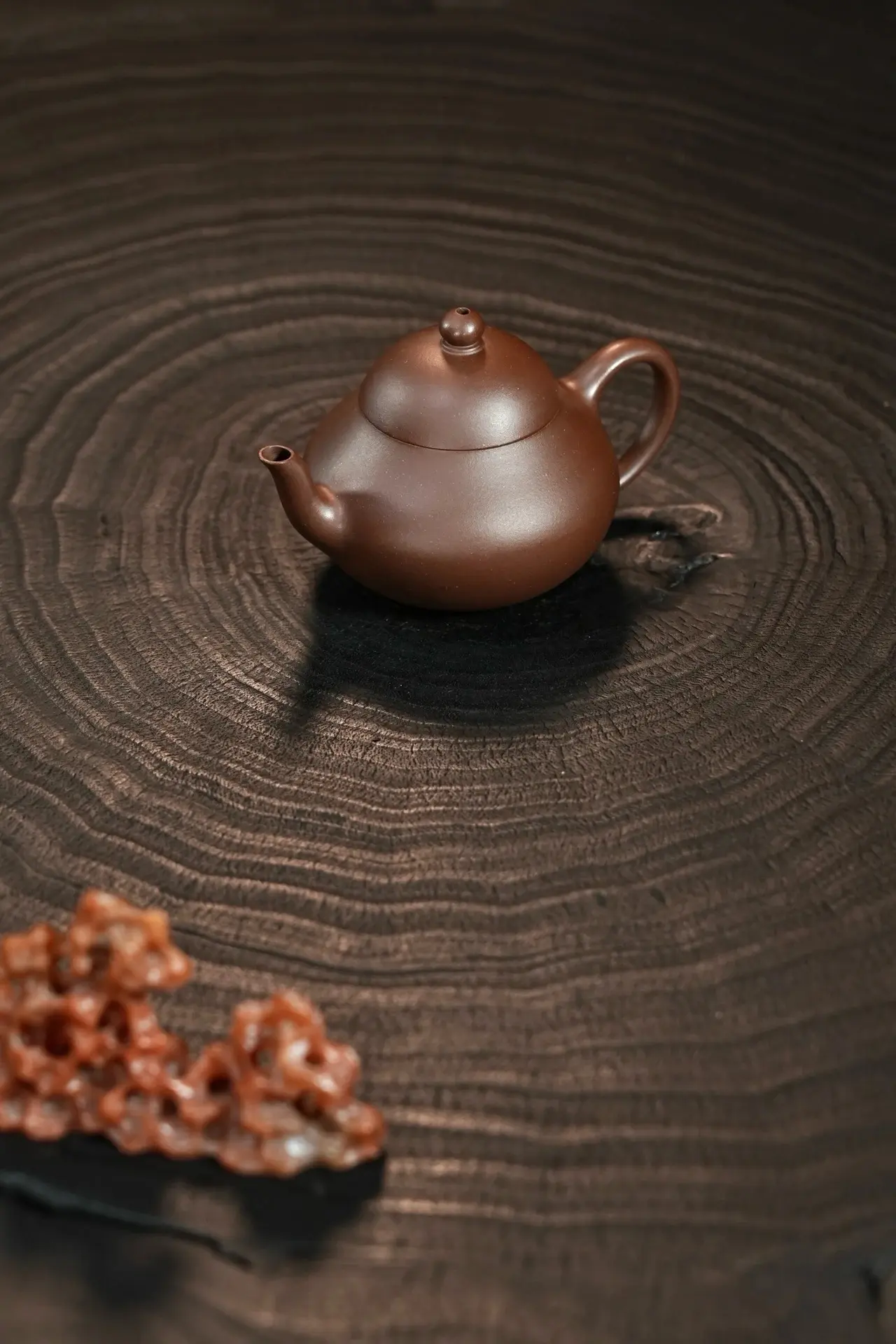
A Classic Shipiao sits low and grounded. A Xiao Pang Li has a rounded belly and a gently lifted neck. The same tea table can feel quite different with either form on it.
Perhaps you already know which style suits your tea room. Perhaps you are looking for two or three complementary shapes for customers to compare. Either way, the proportions are worth seeing beyond a single beautiful catalogue photograph.
Look at the pot from the side. Follow the line from the spout through the body to the handle. Notice how the lid belongs to the opening, and how steadily the pot sits on the table.
Then pick it up.
The handle should make sense to your fingers. The weight should feel manageable, both empty and filled. If the teapot will be used through many tea sessions, that small moment of comfort matters.
The joins between spout, body and handle are worth a closer look, too. Smooth, thoughtfully finished transitions are easier to appreciate when you can see several real angles.
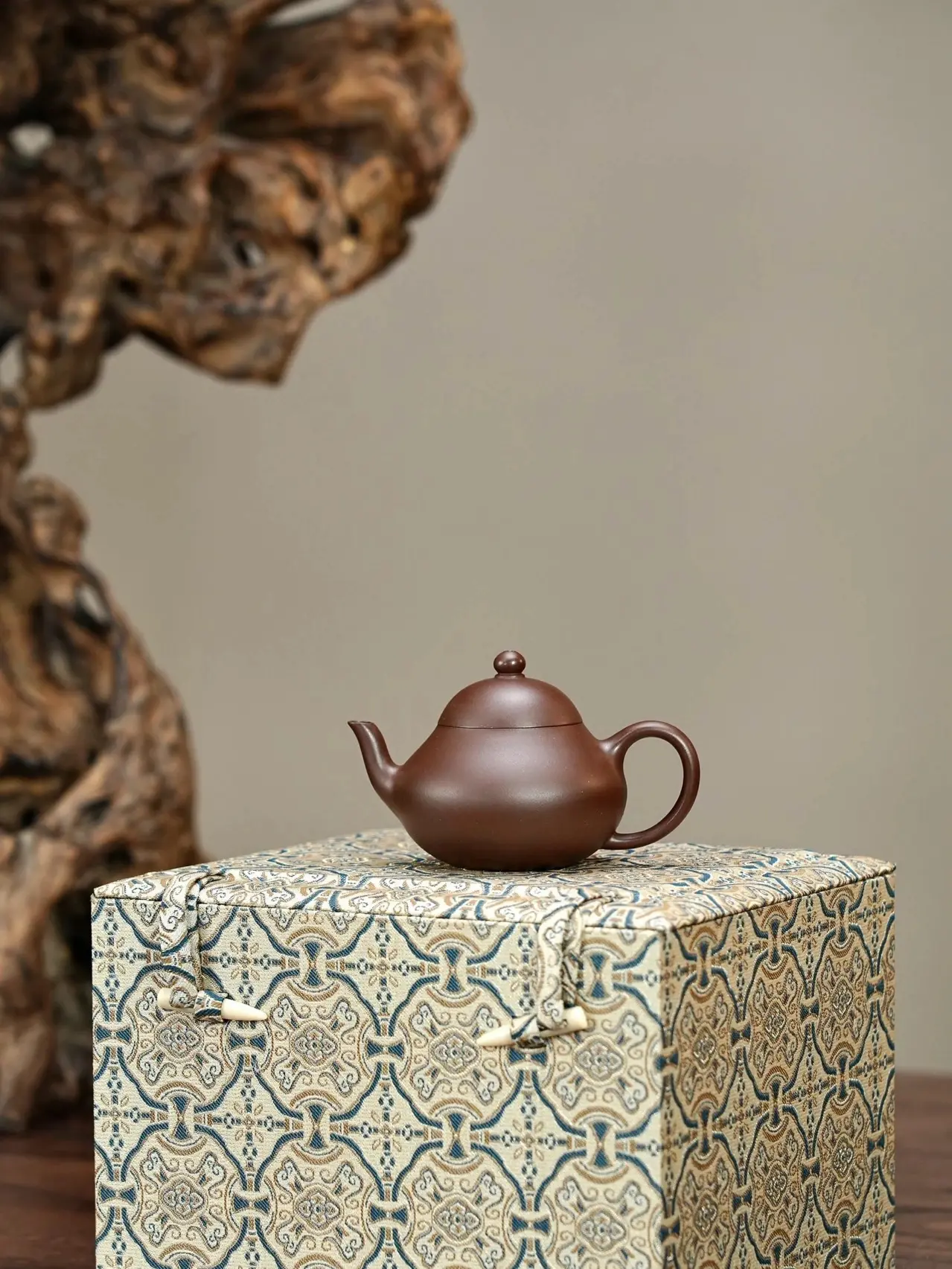
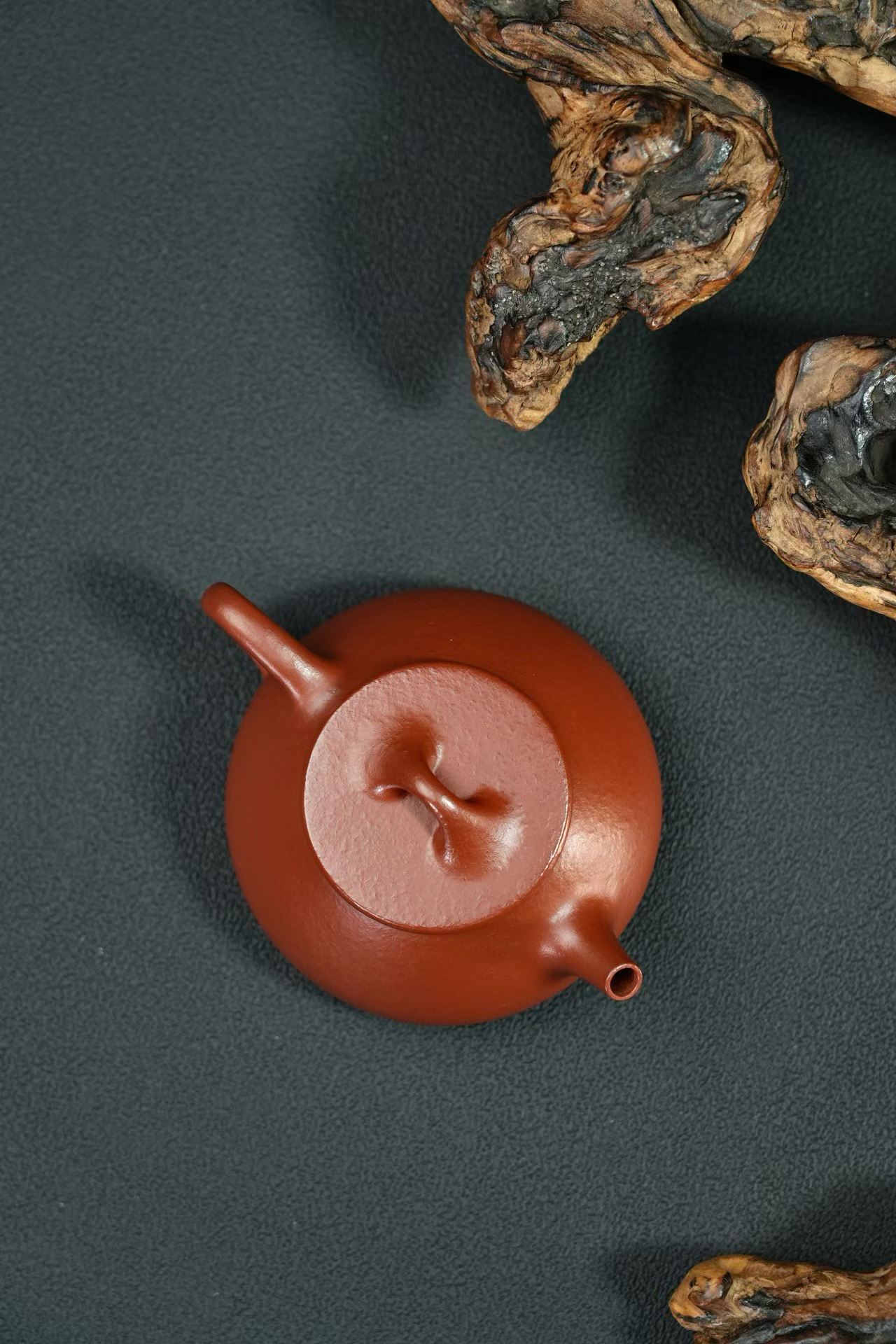
For a first selection, ask to see the side, the handle and the spout together. These views tell you more about the form than a single studio beauty shot.
02. Lift the Lid. Look Inside.
Opening a teapot is a lovely part of getting to know it.
Place the lid gently on its seat and turn it. Does it sit comfortably? Does it move without catching or feeling awkward? How does it behave when you hold the pot as you would during a pour?
A little movement can be normal in a hand-finished piece. What matters is the experience of using the lid, not achieving an abstract number for its fit.
Now look inside.
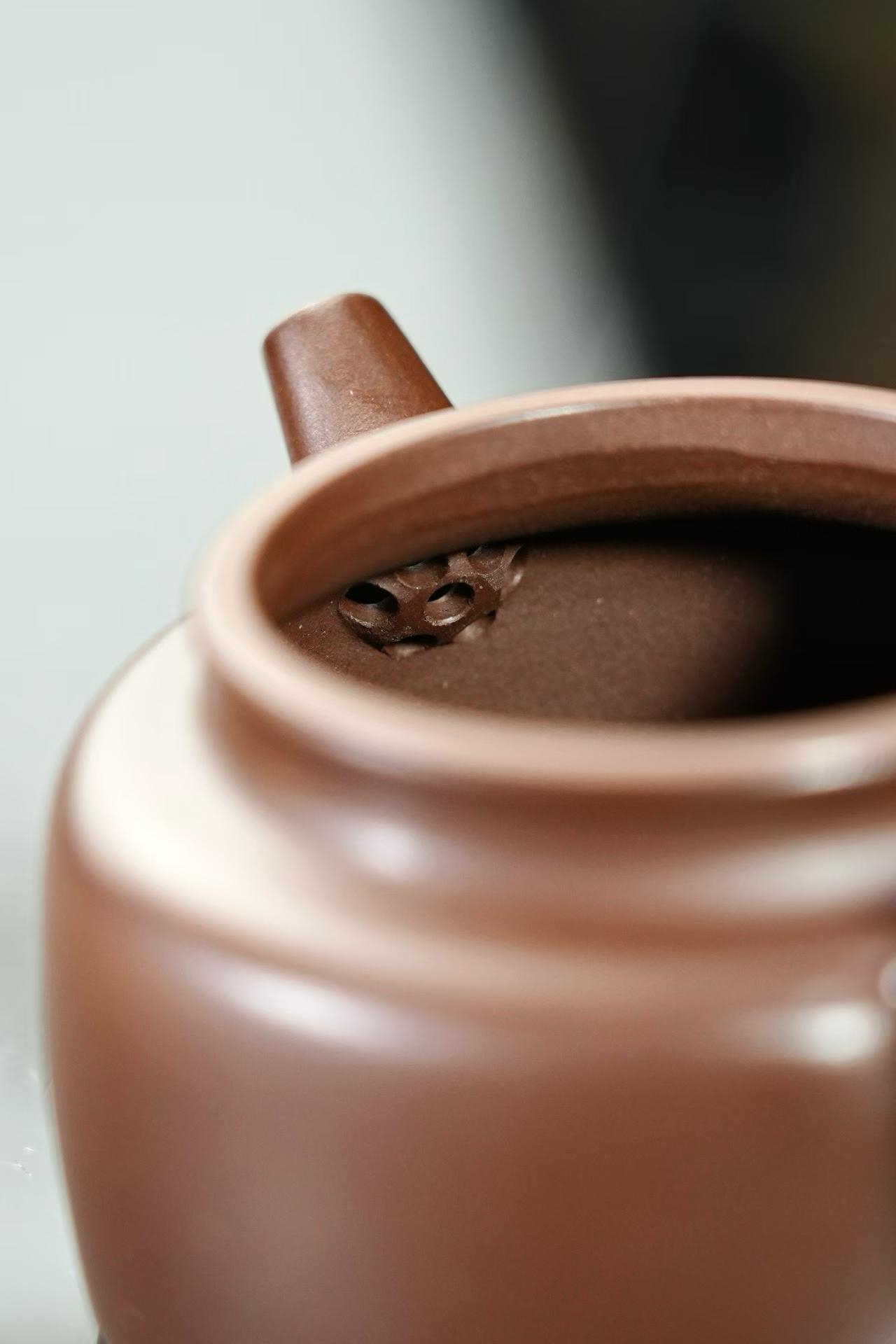
Where the spout meets the body, you will usually see the filter openings. On our Classical Dezhong, the real interior photographs let you look closely at this part of the vessel.
The shape and placement of the openings matter more than a particular hole count. Look for clear passages, considered finishing, and an interior that will be practical to use and clean.
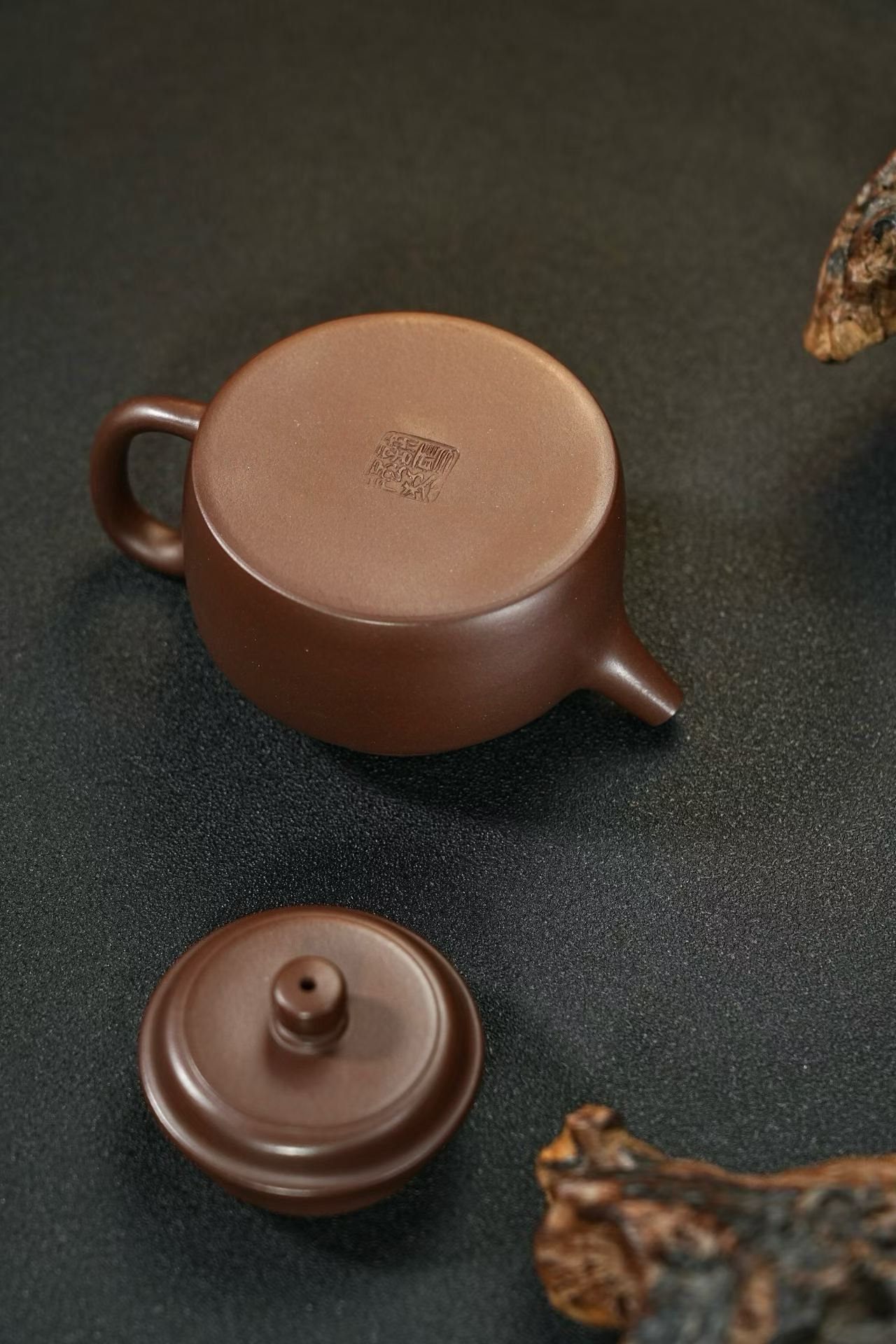
The hands behind these details are part of the story as well. Our short Xishi workshop film shows a maker refining the body and lid at the bench—an ordinary, patient part of making a teapot that rarely appears in a catalogue.
If a particular clay version has caught your eye, we can use the corresponding product photographs to look at those details together.
03. Let the Water Answer
Now bring the pot to the tea table.
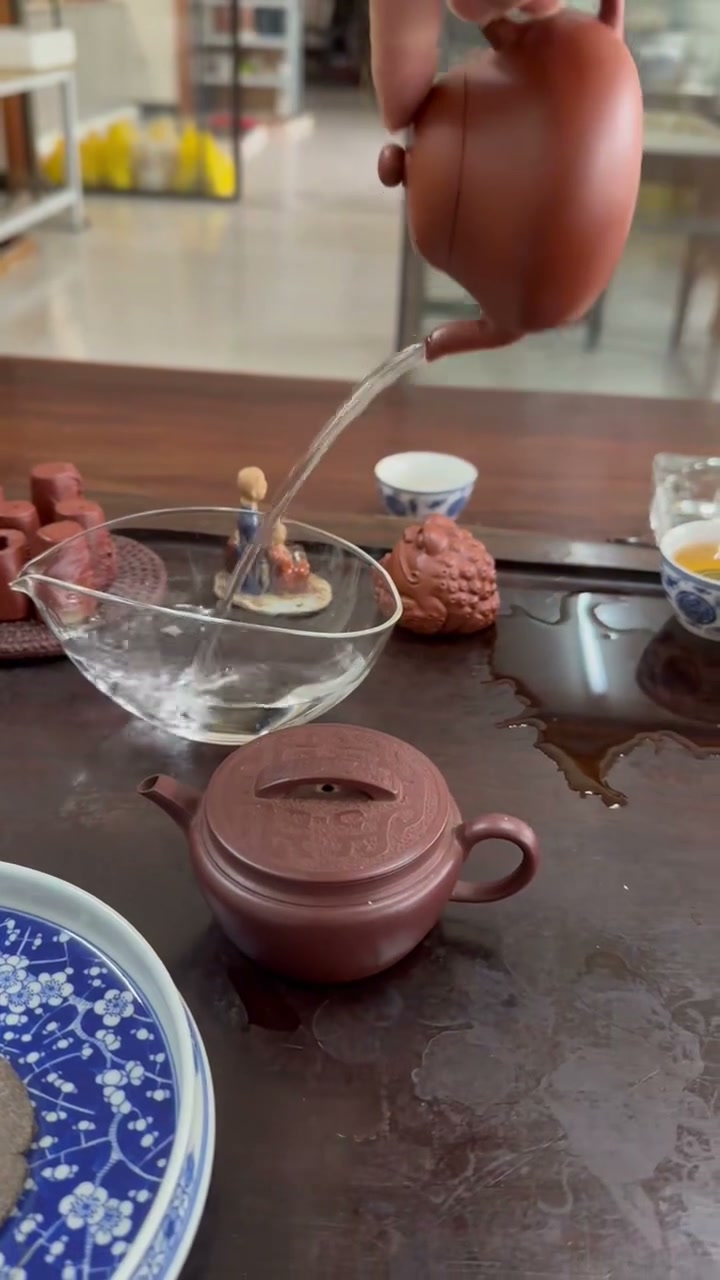
Fill it with clean water, replace the lid, and pour as you would during a normal tea session.
Watch the stream leave the spout. Notice whether it stays reasonably gathered, how easily you control the angle, and how the pour finishes when you bring the teapot upright.
Different forms have different personalities here, too. A quick pour is not automatically a better pour; the one that works naturally with your brewing style is the useful one.
You might also observe what happens when the little air hole in the lid is covered. It is an interesting part of the demonstration, though no single trick tells the whole story of a teapot.
This is one of the reasons we keep real water-testing footage. Seeing the motion can answer a practical question that photographs cannot.
We also have pouring clips from our conversations with tea merchants, including a Shuiping and Junde comparison. Where an original recording can be matched to a specific form, it gives you another way to understand the choices.
If you are comparing two forms, watching them pour can be as useful as comparing their silhouettes.
04. The Clay Label Should Tell You Something Useful
Once a form feels right, the next question is often which clay and capacity belong on your tea shelf.
Take our Classic Shipiao as an example. The current Xiaomeiyao Zhuni option is listed at approximately 120ml, while the Lao Zini option is approximately 130ml.
They share a familiar silhouette, but they are not interchangeable entries on a specification sheet. Clay, making and firing can affect the finished dimensions, so the capacity should follow the actual version you choose.
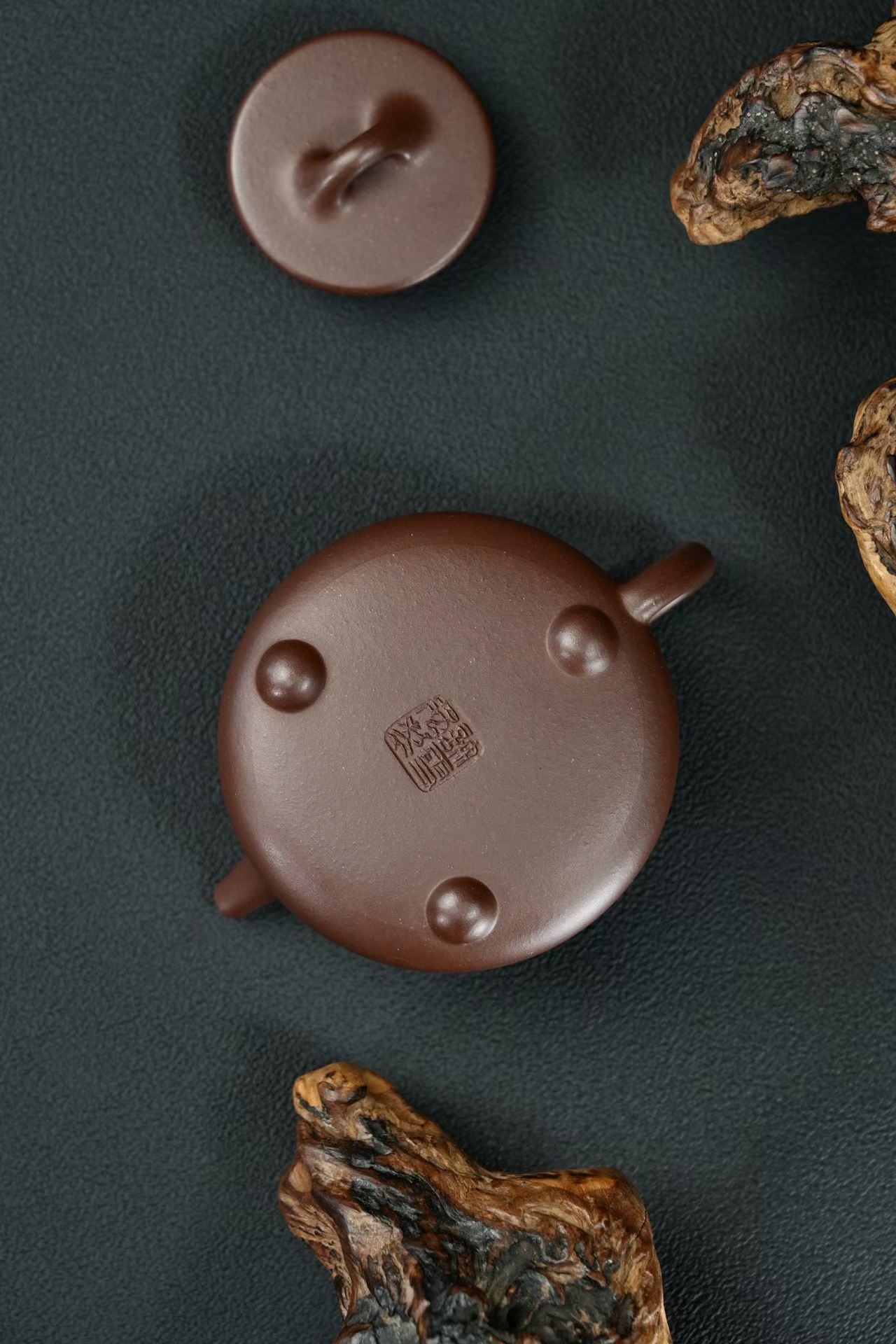
The same principle applies to the supporting information. A product photograph should show the version it describes. A making film should show the work it claims to show. A material test record should tell you about the sample that was actually examined.
In our Materials library, we publish the available clay analysis sheets and their original records. The Making page offers a view of real workshop processes, and the Digital Archive gathers selected object records. Together with each product gallery, they give you several useful perspectives.
For a tea merchant planning a menu, a demonstration, or a carefully chosen retail selection, a clearly identified clay and capacity are much more helpful than a vague label.
05. The Small Details That Build a Long Relationship
Choosing a good form is one decision. Choosing the right forms for your own customers is another.
You may be looking for a smaller pot for focused tastings, a familiar classic for daily service, or a few distinct silhouettes that make a shelf more interesting to explore.
There is no single correct selection for every tea shop.
What helps is being able to compare genuine photographs, understand the available clay and capacity options, and ask whether a form can be sourced again when you need it.
That is where an ongoing conversation with a workshop can be useful. We can discuss what is currently available, how the forms differ, and what might fit the kind of tea service you already know so well.
XUJIE's Standard Workshop Line includes eleven classic forms and supports mixed wholesale sourcing from five pieces. Atelier Reserve is presented as a separate selection, with current details discussed privately.
If you would rather begin by experiencing one piece yourself, an evaluation sample is another way to start.
Below are three current forms worth comparing—not a prescribed shopping list, simply three different directions for the tea table.
Xiao Pang Li
See the profile, the interior and the current clay versions.
Inspect this form →Classic Shipiao
Look closely at the shape and compare its clay options.
Inspect this form →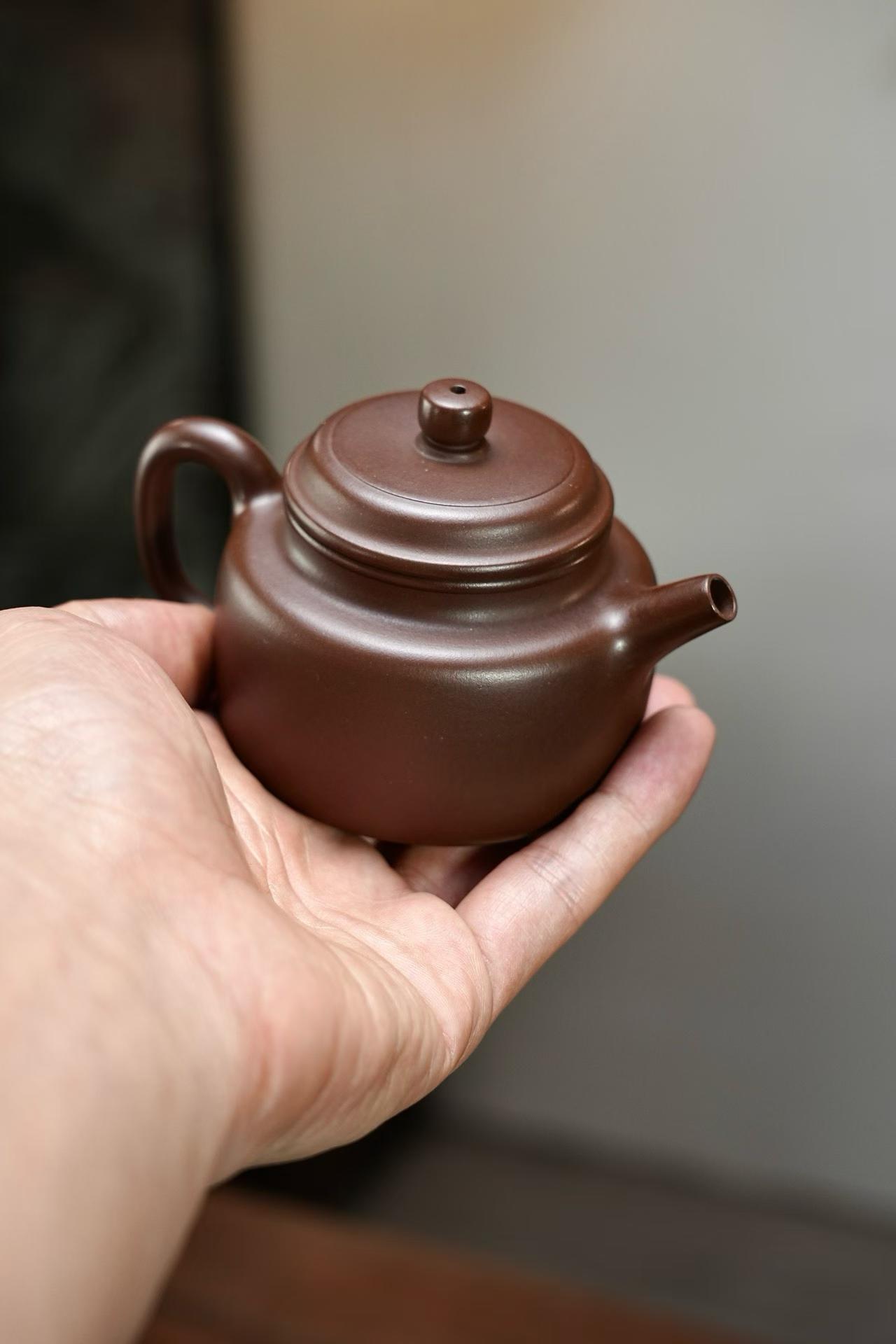
Classical Dezhong
See the chamber and details that matter at the tea table.
Inspect this form →Browse the real images and specifications for any form that interests you, then keep your favourites together on the Request List.
One Sample, Then a Collection
Perhaps the first piece that catches your attention is a Shipiao. Perhaps it is the softness of a Xiao Pang Li, or the upright presence of a Dezhong.
There is pleasure in taking the time to notice the difference.
You turn the pot in your hands, lift the lid, look inside, and try a little water. Then you picture it in the tea sessions you already know: the teas you love serving, the people who gather around your table, the collection you want to build.
The choice becomes yours, informed by real details rather than a string of promises.
And if one of our forms feels like a good fit, we would be glad to talk about the clay, capacity and sourcing options for your tea room.
Warm regards from the workbench in Dingshu,
XUJIE Studio
Yixing, China
See the details. Find the form that fits.
Choose with your own tea table in mind.
Explore the real forms, watch the workshop water test, and keep the pieces you like together. When you have a favourite, we can talk through the clay and sourcing options for your tea room.