Materials / EDXRF records

From stored clay to a published material record.

Two EDXRF material reports are currently published with their report numbers, dates, testing units, methods, instruments, testing bases and original sheets available to inspect.

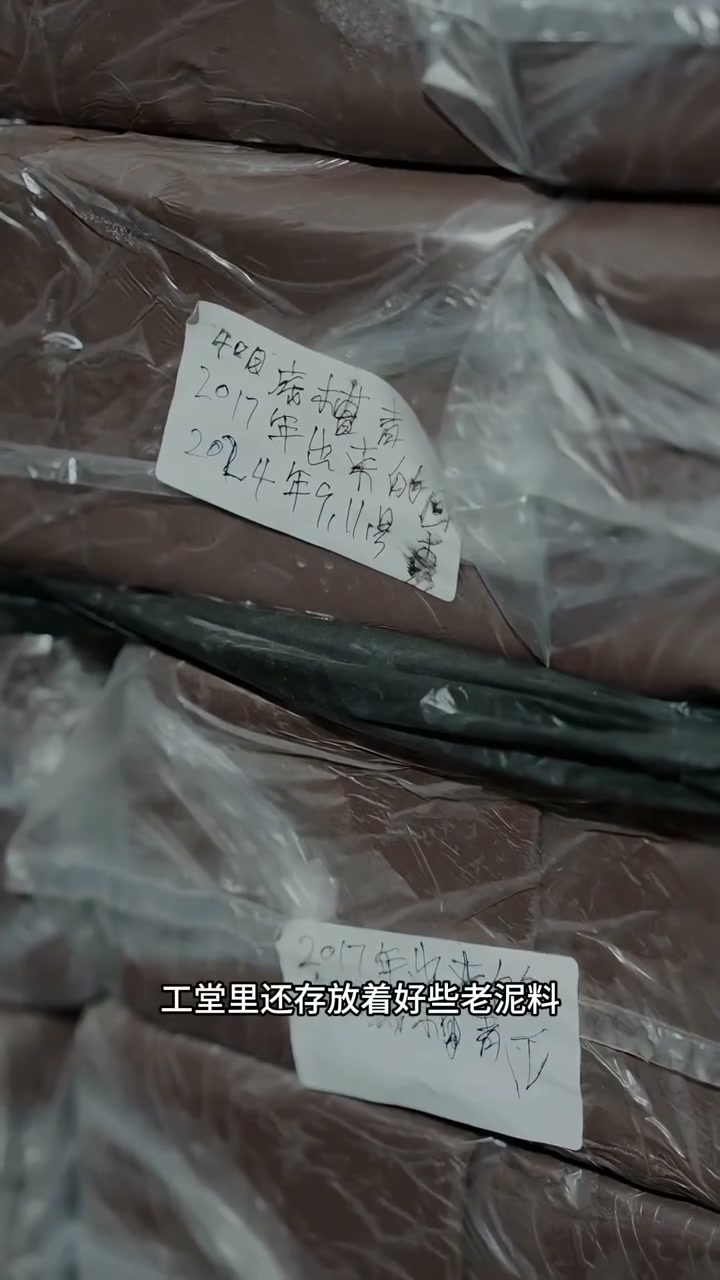
Clay storage in the XUJIE workshop
How to read the library

Start with the clay entry. Open the original sheet when the details matter.

Each published entry pairs the studio’s clay label with a dated test record. The report number, testing unit, EDXRF method, instrument, testing basis and recorded result stay beside the original report sheet instead of being reduced to a marketing claim.

Use the report number or clay label to locate the record, then open the source sheet when you need the exact test document for a sourcing or review conversation.

Published library

Two material records, side by side.

These records describe the submitted material samples. Product/batch linkage is published only when that relationship is confirmed.

Workshop context

Material records sit beside real handling and testing context.

The original report sheets sit alongside real workshop footage, giving buyers both the test record and the material-handling context in one place.

Workshop clay storage

Clay stock in the studio.

A short view of labeled and stacked clay stock as it is stored in the workshop.

Testing visit

Object and report in testing context.

A real testing visit provides context around how an object and its report are handled.

Product + material context

Choose the form first. Use the material record when you need the detail.

Trade Collection pages carry the current clay label, measured capacity, construction method and model-specific inspection media.